
Bedsheet vs Bedspread: 8 Key Differences You Must Know
- By Rohit Damai
- 0 Comments
- Posted on
You’re standing in the bedding aisle – or, more likely, scrolling through a home décor site at 11pm – and both are listed right next to each other. Bedsheet. Bedspread. They look similar. They sound similar. And everyone around you seems equally confused.
The bedsheet vs bedspread question is one of those things most people never bother to sort out. They grab whatever looks nice, throw it on the bed, and move on. Which works fine, until your bed looks like a rumpled pile of fabric or you’re sweating through something way too thick in July.
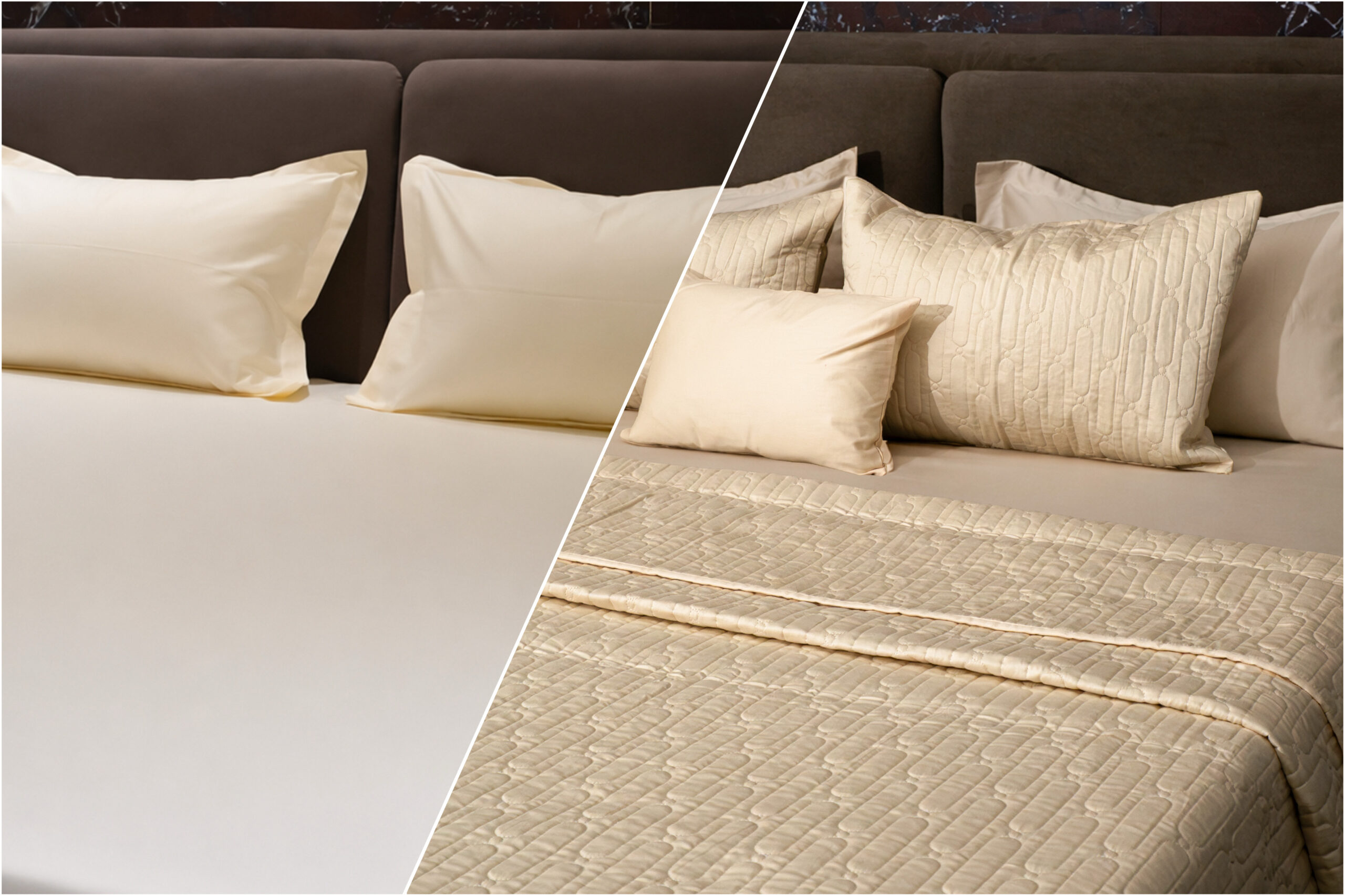
Here’s the short answer: a bedsheet goes on your mattress or directly against your body while you sleep. A bedspread goes on top of everything as a decorative cover. But there’s more to it than that – especially if you’re trying to build a bedding setup that actually looks and feels right.
This bedding guide breaks it all down. What each piece does, when to use which, and how they compare to comforters. If you’re shopping for cotton bedsheets online or just trying to figure out your layers before buying anything, you’re in the right place.
What Is a Bedsheet?
A bedsheet is the fabric layer that goes directly on your mattress or on your body while you sleep. That’s its whole purpose. Simple, but genuinely important.
Two types:
- Fitted sheet: Has elasticated corners that grip the mattress snugly. This is the one you battle with every laundry day.
- Flat sheet: A plain rectangular sheet, either tucked under the mattress or used as a light top layer between you and a heavier blanket.
Material matters here more than most people realize. Cotton is the go-to – breathable, soft, and it actually gets better with every wash. Microfiber is affordable but traps heat, which is a real problem in warmer climates. Linen runs cool but feels slightly rough initially.
Thread count gets thrown around a lot in bedding marketing. Honestly? Anything between 200 and 400 is perfectly fine for daily use. Above 600 and you’re mostly paying for packaging and buzzwords, not better sleep.
Bedsheets are washed frequently – ideally every week or two. They’re the layer touching your skin. That’s where quality matters most.
What Is a Bedspread?
A bedspread is a decorative top cover designed to sit over your entire bed – sides, corners, pillows and all. It’s as much a visual statement as it is a functional piece.
Bedspreads are typically:
- Thinner than comforters or duvets
- Large enough to drape over both sides of the bed
- Made from quilted cotton, chenille, woven polyester, or similar fabrics
- Used as the finishing layer in a bedroom styling setup
The thing most people miss about bedspreads: they’re not primarily for warmth. They’re for aesthetics. If you want that clean, crisp hotel-room look where the bed is neatly dressed all day, a bedspread is what creates it. Pull it over everything in the morning and the whole room looks put-together instantly.
That said, lightweight bedspreads do offer a thin layer of warmth – fine for mild weather or air-conditioned rooms. Just don’t expect them to replace a proper comforter when temperatures actually drop.
One genuine frustration here: bedspreads are a pain to wash. They’re bulky, and many need a large-capacity machine or dry cleaning. That adds up over time, especially if you choose a fabric-intensive design. Something worth checking before you fall in love with a particular one.
Bedsheet vs Bedspread: Side by Side
Here’s the full comparison in one place. If you’re in shopping mode and need to make a call fast, this is your reference.
| Feature | Bedsheet | Bedspread |
| Primary purpose | Sleep surface and hygiene layer | Decorative top cover |
| Position on bed | On mattress or body | Over entire bed, topmost layer |
| Warmth level | Minimal | Light to moderate |
| Wash frequency | Weekly to fortnightly | Monthly or as needed |
| Typical materials | Cotton, linen, microfiber | Quilted cotton, chenille, woven poly |
| Size | Matches mattress dimensions | Larger, hangs over sides |
| Best for | Sleeping comfort and cleanliness | Bedroom styling, daytime presentation |
| Price range | Affordable to mid-range | Mid to higher-end |
The difference between bedsheet and bedspread really comes down to this: one is for sleeping, one is for looks. Most bedrooms genuinely need both.
When Does Each One Make Sense?
Reach for a bedsheet when:
You want a breathable, clean layer between your body and the mattress
You have kids or pets and need something that washes easily and often
You run warm at night and don’t want extra fabric weighing you down
You’re building a proper multi-layer bedding setup from scratch
A bedspread makes sense when:
You want your bed to look polished without spending 10 minutes making it every morning (throw the spread over everything – done)
You’re furnishing a guest room that doesn’t get used nightly
You want a cohesive decorative layer that ties your bedroom colours together
Lots of people use both – sheets underneath for actual sleeping, bedspread on top for how the room looks during the day. That’s the right call if bedroom styling matters to you. It doesn’t have to be one or the other.
Bedsheet vs Comforter vs Bedspread: The Full Picture
Since this comparison always comes up in a proper bedding layering guide, let’s clear it up.
A comforter is thick, filled with down or synthetic fibre, and built primarily for warmth. It’s heavier than a bedspread, designed to keep you insulated through the night. Most comforters don’t drape to the floor – they sit on top of your sheet arrangement and stay in place.
So when you’re thinking through bedsheet vs comforter vs bedspread:
- Bedsheet – foundation layer, comfort and hygiene
- Comforter – warmth layer, functional insulation
- Bedspread – finishing layer, visual polish
The full stack, if you want to do it properly: mattress protector, fitted sheet, flat sheet (optional but great for warmth flexibility), comforter or blanket, and a bedspread on top for that finished look. Most people skip one or two of these layers and then wonder why their bed never feels quite right. Now you know.
How Kyroz Helps With Your Bedding Choices
This is where things get practical.
Kyroz is a home furnishing brand built specifically for modern Indian homes. That means their bedding is designed with Indian climate conditions, room sizes, and aesthetic preferences in mind. And that’s not a small thing. A lot of imported bedding doesn’t account for how brutally hot and humid Indian summers get, or how standard Indian bed dimensions differ from Western sizing charts.
Here’s what makes Kyroz a smart starting point if you’re building out your bedroom:
- Cotton-first collections – breathable fabrics that don’t trap heat, which matters a lot in warmer months
- Size-accurate fitted sheets – properly cut to standard Indian bed dimensions so they actually grip without bunching
- Contemporary colour-forward designs – patterns that work for minimalist rooms and bolder aesthetics
- Coordinated bedding sets – bedsheets and bedspreads designed together so nothing clashes in your final look
- Honest pricing – quality fabrics without the inflated “affordable luxury” markup you see from other brands
If you’re shopping for a new bedding setup or just replacing what you have, the premium bedding collection at Kyroz is a practical place to start. Bedsheets, bedspreads, and comforters in coordinated collections – you don’t have to guess what pairs well.
Browse the Kyroz collection and build your perfect bedroom setup today.
Bedroom Styling Tips: Getting the Layers Right
A few things worth knowing before spending anything.
Match your bedspread to your room, not just your sheets. The bedspread is what people see when they walk in. Your sheets are hidden. Invest colour decision energy into the spread, then choose sheets for how they feel.
Stick to two or three colours in your total bedding palette. This is where most bedroom styling goes sideways. Too many patterns, too many textures – it looks busy, not designed. Pick a palette and commit to it.
Layer by weight. Start lightest (fitted sheet), work up to heaviest (comforter), then finish with the bedspread. Piling everything on at once and hoping it feels right doesn’t work. Each layer has a purpose.
Wash bedsheets separately from your bedspread. Sheets need hot, frequent cycles to stay hygienic. Bedspreads do better with cooler, gentler washes to protect the fabric and quilting. Mixing them regularly is how you end up with a pilled, worn spread after just a few months.
Frequently Asked Questions
What’s the real difference between a bedsheet and a bedspread?
A bedsheet is a functional sleep surface – it sits on your mattress or between your body and heavier covers. A bedspread is a decorative top layer that covers the entire bed. One is made for sleeping in, the other is made for how your room looks.
Can I use a bedspread instead of a bedsheet?
Not practically. Bedspreads aren’t designed to be slept on directly – they’re bulkier, harder to wash weekly, and not as comfortable against skin. Use a bedsheet underneath for sleeping and keep the bedspread as the top decorative layer.
Is a bedspread the same as a comforter?
No. A comforter is filled and built for warmth – it’s functional insulation. A bedspread is thinner, less filled, and designed primarily for aesthetics. In a properly layered bed, the comforter sits underneath the bedspread.
How often should I wash my bedsheet vs my bedspread?
Bedsheets need washing every one to two weeks since they’re in direct contact with your skin. Bedspreads are fine once a month or whenever they look dusty. Over-washing a bedspread actually shortens its life.
Which is better for Indian summers – a bedsheet or a bedspread?
For sleeping in the heat, a lightweight cotton bedsheet wins. Bedspreads trap warmth and feel heavy in humid conditions. Keep the bedspread for daytime aesthetics and fold it back before you actually get into bed.
Do I need both a bedsheet and a bedspread?
If you want a bedroom that looks finished and feels comfortable to sleep in, yes. They serve completely different purposes. A bedsheet alone looks unfinished. A bedspread alone is uncomfortable to sleep directly on. Together, they’re the complete setup.
Conclusion
The bedsheet vs bedspread question has a clear answer when you look at it practically. Bedsheets are functional – they’re what you sleep on, wash frequently, and choose based on how they feel. Bedspreads are aesthetic – they’re what makes your bedroom look finished and intentional rather than just thrown together.
Most bedrooms need both. And in warmer climates especially, the fabric choices you make matter far more than most people expect before they experience a sweltering July night under the wrong layers.
Bedsheets sit on the mattress or body while sleeping; bedspreads cover the whole bed as a decorative top layer
Bedspreads are not a substitute for proper sheets – they serve different purposes in a complete bedding stack
The full bedding layering order: mattress protector, fitted sheet, flat sheet, comforter, bedspread
Wash bedsheets every one to two weeks; bedspreads once a month
For Indian climates, breathable cotton is the right starting point for both
Ready to get your bedroom sorted? Kyroz has bedsheets and bedspreads designed for real Indian homes – breathable fabrics, practical sizing, and designs that actually look good once you’re done arranging them. Worth a look before your next purchase.
